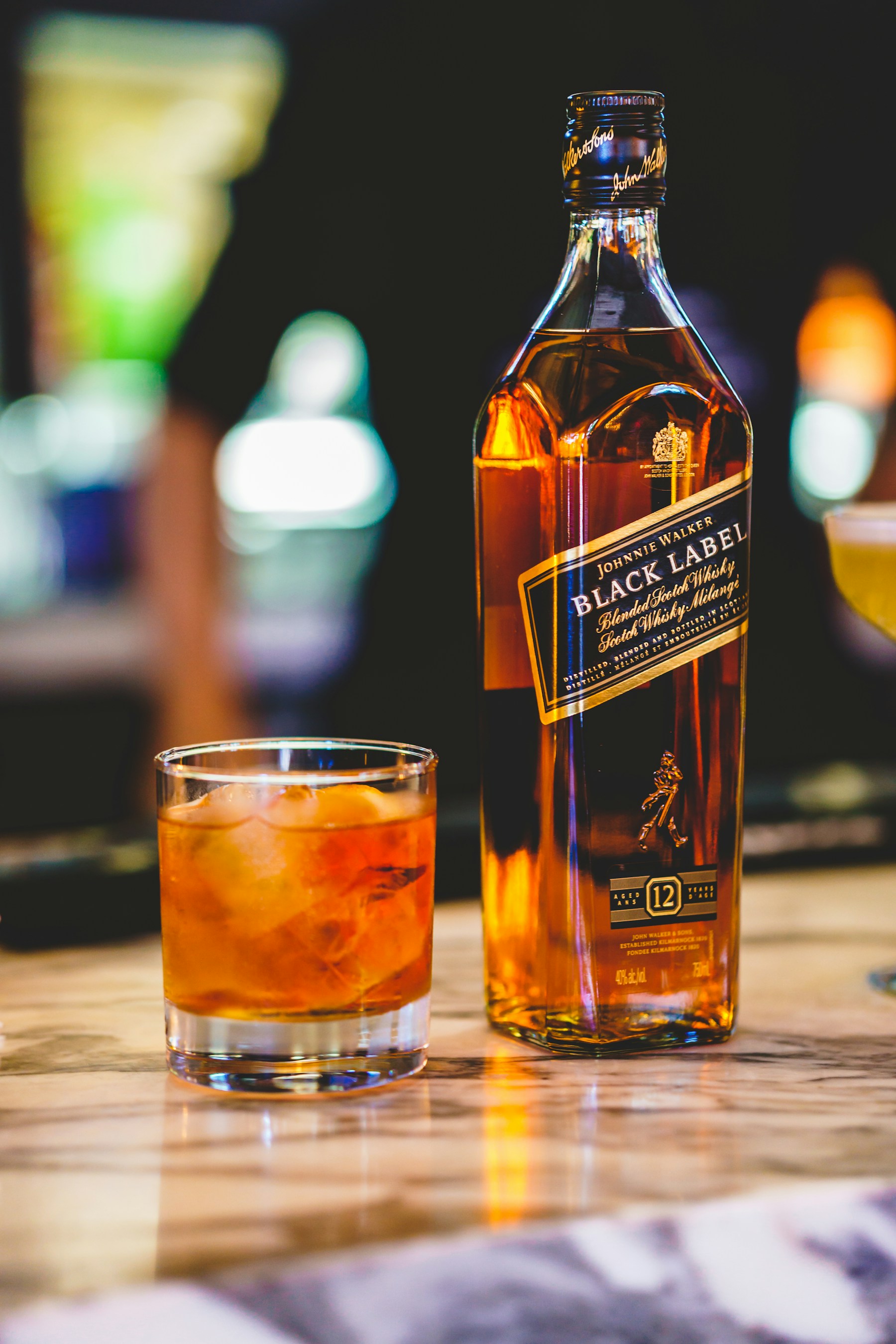
Modern whisky production is a partnership between industrial precision and human judgement. Instruments measure gravity, temperature and alcoholic strength to fractions of a percent, but the character of a whisky ultimately depends on decisions that instruments cannot make for the maker.
The master distiller is the most visible custodian of that judgement. Where to cut the middle of the spirit run — the moment at which the useful heart of the distillate is separated from the heavier compounds that follow — is a decision made by nose and experience. A shift of a few seconds can move the whisky's character in a direction that will only become apparent years later in the cask.
The instruments will tell you what is happening. The nose will tell you what to do about it.
The blender, whose role is sometimes distinct from the distiller, exercises a different kind of craft. A blender may work with dozens of component whiskies of varying ages and cask types to produce a consistent expression year after year, adjusting proportions to compensate for the natural variability of maturation. The finest blenders describe their work in the vocabulary of music: harmony, resonance, counterpoint.
Around these roles gather other craftspeople: coopers who repair and rebuild casks by hand; maltmen who, in the few distilleries that still floor-malt, turn the germinating barley with wooden shovels; cellar workers who track the slow evolution of each cask across decades.
Much of this knowledge is not written down. It is passed between generations by demonstration and correction, and it is one of the reasons that an established distillery is so difficult to reproduce, no matter how faithfully its equipment might be copied. What a distillery makes is finally shaped by what its people know.