What is whisky?
Whisky is a distilled spirit made from fermented grain mash, matured in wooden casks. The grains most commonly used are barley, corn, rye and wheat, and the specific rules governing composition, distillation and maturation vary by country. What unites the family is the transformation of grain, water and yeast into a spirit whose character is shaped decisively by its interaction with wood over time.
The word itself derives from the Gaelic uisce beatha or uisge beatha — the water of life — a translation of the Latin aqua vitae used by medieval monks to describe distilled spirits.
Whisky and whiskey — a note on spelling
The variation in spelling is not accidental. In Scotland, Canada and Japan the spelling is whisky. In Ireland and the United States it is more commonly whiskey. The convention arose in the late 19th century, when Irish and American producers adopted the additional letter as a mark of distinction from Scottish product. There is no universal rule — some American producers, notably Maker's Mark, retain the older whisky spelling — but the general convention holds.
This site follows the traditional country-of-origin practice: whisky for Scottish, Japanese, Canadian and Australian spirits; whiskey for Irish and American.
Whisky is liquid geography.
The major producing nations
Scotland, Ireland, the United States and Japan are the four historic centres of whisky production. Scotland alone has more than a hundred and forty operating distilleries. Ireland's revival, though more recent, has restored it to a position of prominence it had not held since the 19th century. American whiskey, dominated by bourbon and rye, is centred on Kentucky and Tennessee but produced across the country. Japan, whose whisky tradition dates from the 1920s, has become internationally celebrated for the precision and restraint of its style.
Beyond these four, distilling has flourished in Canada, India, Taiwan, Australia and Scandinavia, each contributing its own interpretation of the tradition.
The cultural significance of whisky
Whisky has occupied a central place in the cultural life of many nations. In Scotland it is woven into folk memory, literature and song. In Ireland, whiskey has been part of both religious and civic life since the middle ages. In the United States, whiskey has shaped agriculture, commerce and even constitutional history — the Whiskey Rebellion of 1794 was among the earliest tests of federal authority. In Japan, whisky has become an emblem of a certain quiet, disciplined craftsmanship that speaks to broader cultural values.
To study whisky is to study, in miniature, the history of the places that make it.
The role of geography
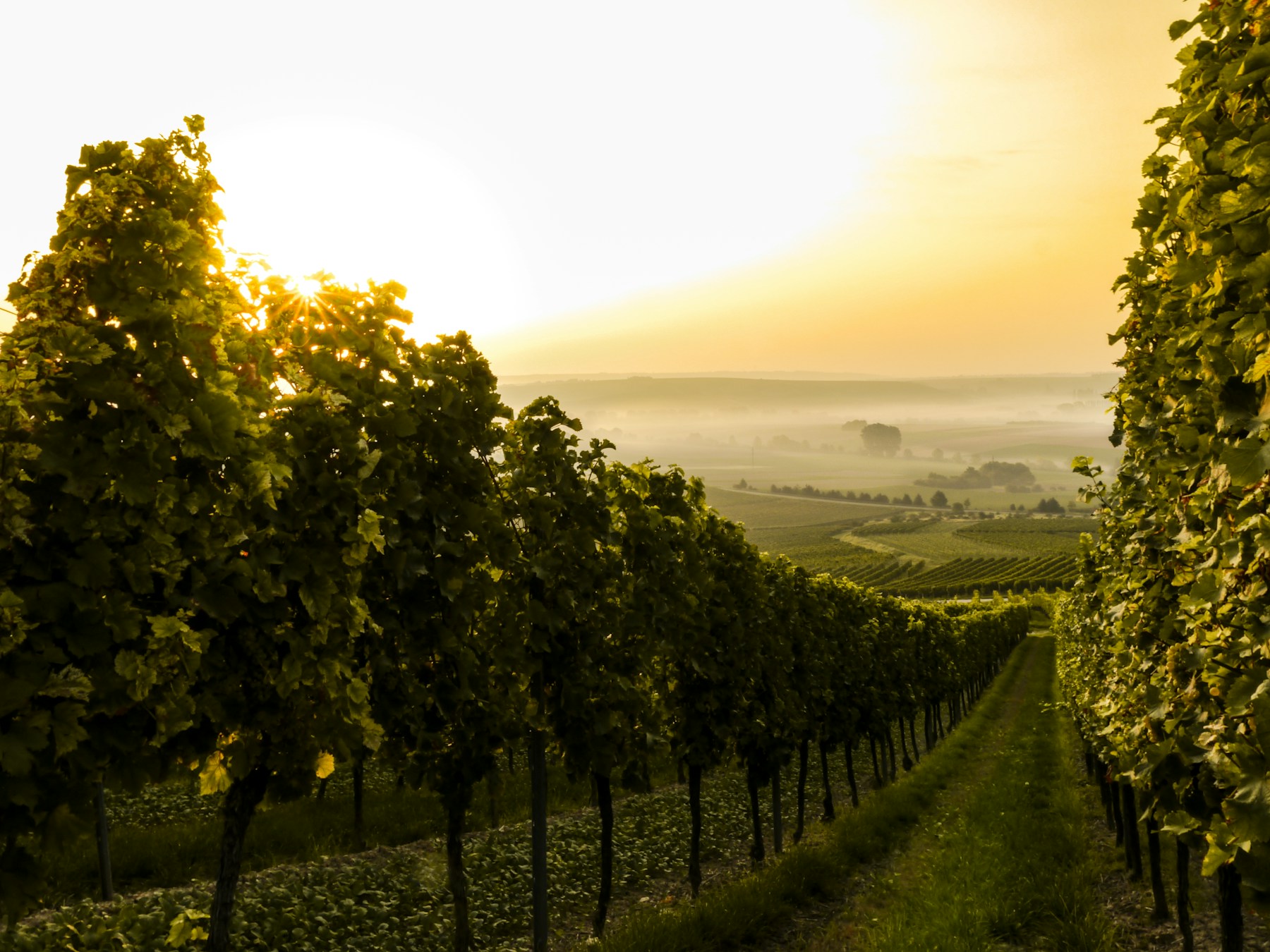
Where a whisky is made matters. The mineral character of the water, the local availability of barley or peat, the climate that governs maturation, the traditions of the region's cooperage — all leave their imprint on the finished spirit. This is why the language of whisky is so often the language of place: Islay, Speyside, Kentucky, Yamazaki. A whisky is, in a real sense, a translation of a landscape into a bottle.