Copper pot stills in a Scottish distillery

The Production Process

From barley to bottled maturity, in six stages.

Barley grains, the primary raw material of malt whisky
01

Malting

Malting is the transformation of raw barley into malted barley — a form in which its starches can be converted into fermentable sugars. The grain is first steeped in water for two to three days, then spread out and allowed to germinate.

During germination the barley develops the enzymes needed to break down its starch reserves. When the process has reached the desired stage, germination is arrested by drying the barley in a kiln. Where peat is used as fuel — most notably on Islay — the smoke contributes phenolic compounds that persist throughout the rest of the process.

Most modern distilleries buy their malted barley from commercial maltings. A small number still practise floor malting on site as a matter of tradition.
The interior of a whisky distillery still house
02

Mashing

The malted barley is milled into a coarse grist and mixed with hot water in a large vessel called a mash tun. Successive waters at rising temperatures dissolve the sugars from the grain into a sweet liquid called wort.

The temperature and pace of mashing are carefully controlled: too hot, and the wort becomes cloudy; too cool, and yields drop. The spent grain — draff — is drained off and traditionally sold as cattle feed.

Fermentation vessels used in whisky production
03

Fermentation

The wort is transferred to large vessels called washbacks, traditionally made of Oregon pine or larch and, more recently, of stainless steel. Yeast is added, and fermentation begins.

Over the following two to four days the yeast converts the sugars into alcohol, producing a beer-like liquid called wash with an alcoholic strength of around seven to nine percent. Longer fermentations tend to produce fruitier, more complex characters.

Copper pot stills used in single malt whisky production
04

Distillation

The wash is distilled in copper pot stills. Malt whisky is typically distilled twice — first in the wash still, then in the spirit still — while Irish pot still tradition uses three distillations for a lighter spirit.

During the second distillation, only the middle portion of the run — the heart, or the cut — is collected for maturation. The lighter early portion (the foreshots) and the heavier later portion (the feints) are recycled into subsequent distillations.

The shape of the still has a decisive effect on character. Tall stills produce lighter spirit; short, squat stills produce heavier spirit. Copper interacts chemically with the vapour, removing unwanted sulphur compounds and shaping the final flavour.

Rows of oak casks ageing whisky in a distillery warehouse
05

Maturation

The new-make spirit — clear, fiery and unaged — is filled into oak casks and set to mature. Scotch whisky must be matured in oak in Scotland for a minimum of three years. In practice, most single malts are matured much longer.

During maturation the whisky draws colour and flavour from the wood, loses harsh compounds through interaction with the charred inner surface, and softens through slow oxidation. It also loses volume to evaporation — the angel's share — at roughly two percent per year in Scotland's cool climate.

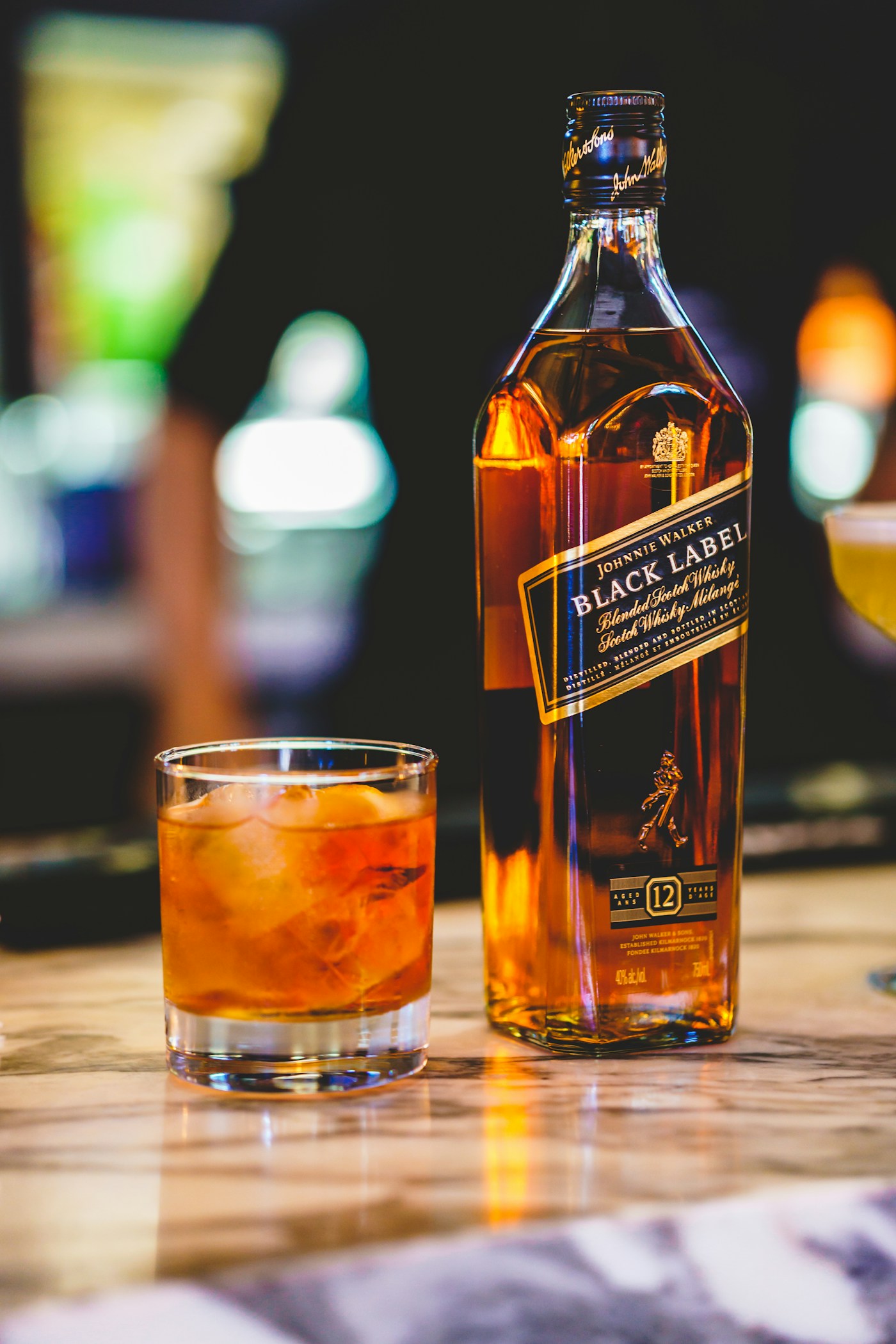
Whisky bottling with a bottle on a table
06

Bottling

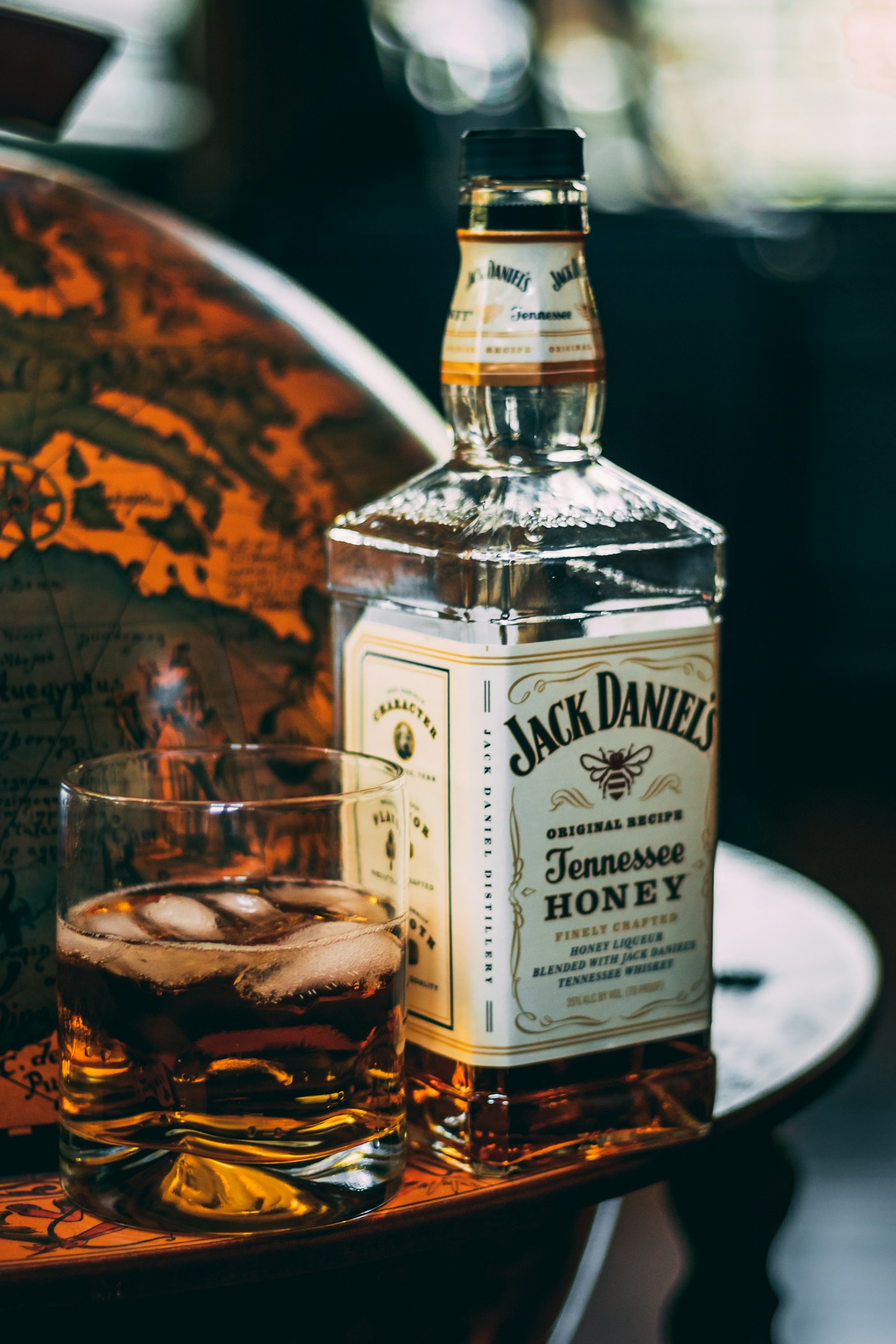
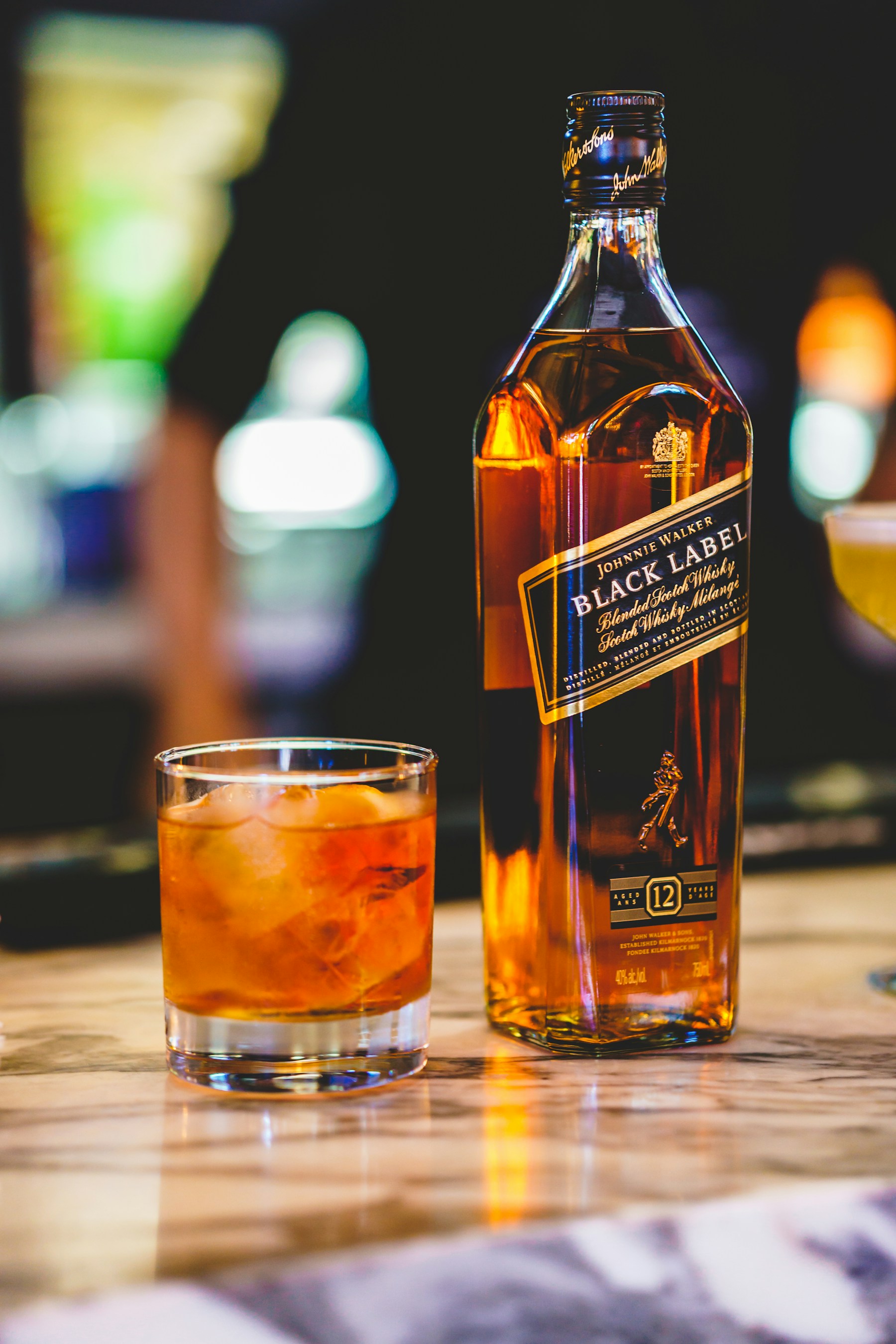
When the whisky is judged ready, casks are drawn from the warehouse for bottling. Where consistency is desired, the contents of many casks are married together to produce a bottling that expresses the house style. Single cask expressions, by contrast, bottle a single cask on its own.

The whisky is generally reduced to bottling strength with pure water, filtered to remove particulates, and often chill-filtered for cosmetic clarity — though many bottlings marketed to enthusiasts skip chill-filtration and colouring to preserve the whisky's natural character.