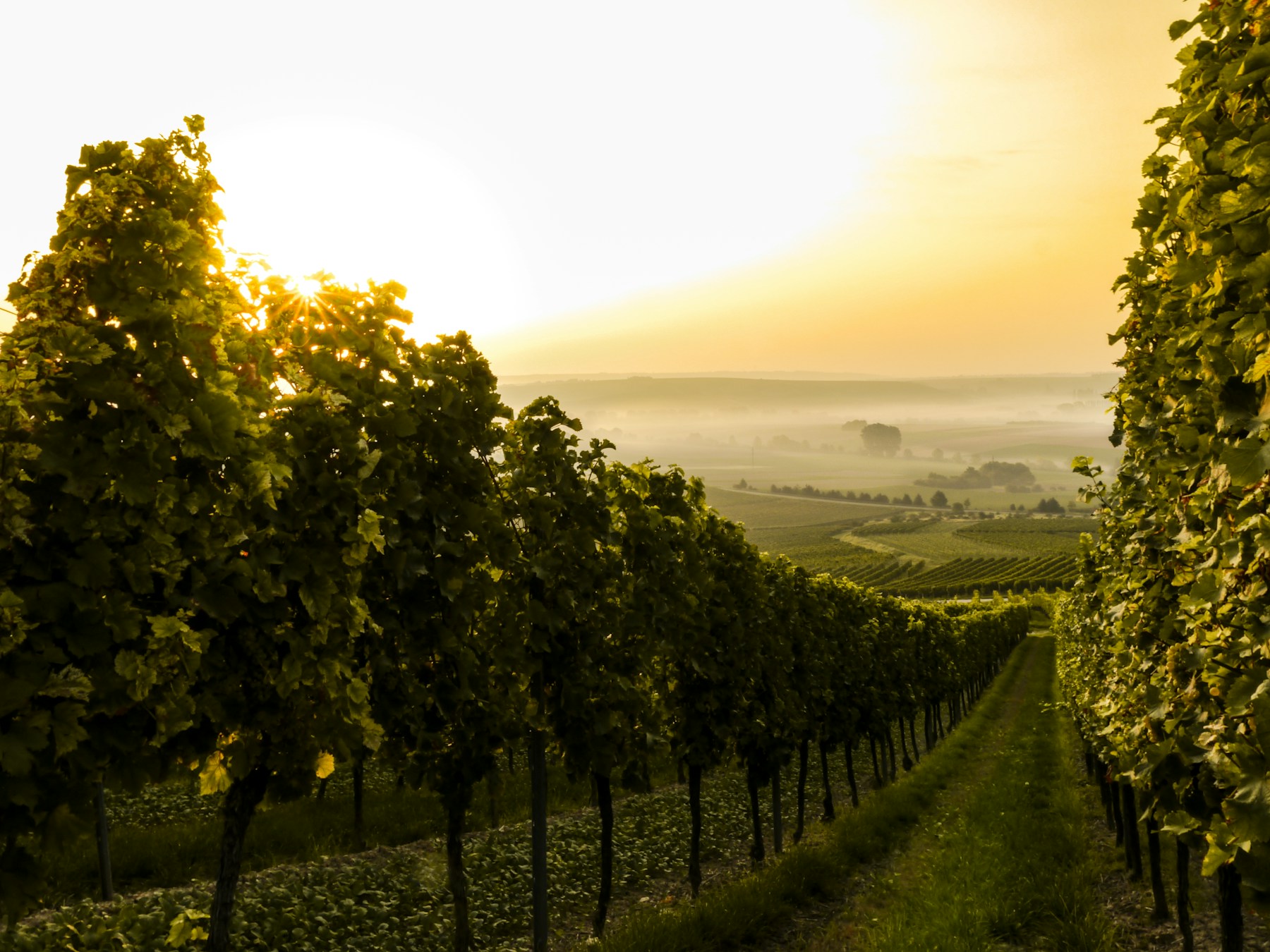
Glenmorangie stands near the town of Tain on the shores of the Dornoch Firth, its history stretching back to 1843 when William Matheson converted an existing brewery on the site into a distillery. Its Gaelic name is often rendered as the valley of tranquillity.
A History of the Distillery
Matheson's original distillery employed second-hand equipment purchased inexpensively, but from these modest beginnings Glenmorangie developed a reputation for elegance and consistency. The distillery was rebuilt several times over the 19th and 20th centuries as production expanded.
In the 1990s, under the influence of the whisky scientist Dr Bill Lumsden, Glenmorangie pioneered the concept of extra maturation — finishing a fully matured whisky in a second cask type — reshaping practice across the industry.
Production Process
The distillery is celebrated for its exceptionally tall pot stills, which at 5.14 metres are said to be the tallest in Scotland. Their height encourages a light, floral spirit as heavier compounds fall back before reaching the condenser.
The 18 Year Old is matured first in ex-bourbon American white oak casks and then given a period of extra maturation in Oloroso sherry butts, producing a whisky of layered complexity.
The still is a slow architect; it builds character in vapour.
Historical Significance
Glenmorangie's contributions to the science and practice of wood management have influenced almost every major Scotch producer. Its innovations gave rise to the modern language of cask finishing.
Distillery Curiosities
- ◆The distillery draws its water from the Tarlogie Springs, a mineral-rich source protected by a surrounding parcel of land maintained in part by a herd of Highland cattle.
- ◆Each bottle of the 18 Year Old is inspected by hand before release.